At-Home Buccal Massage and Lymphatic Drainage Tips for Radiant Skin
A puffy face, tight jaw, and dull-looking skin can all show up after a salty meal, poor sleep, stress, or a long day staring at a screen. The good news is that a gentle at-home massage routine can help the face feel lighter, softer, and more awake.
Buccal massage and lymphatic drainage are two different techniques, but they work well together when used safely. Buccal massage focuses on the muscles inside and outside the cheeks. Lymphatic drainage uses light, rhythmic touch to support the body’s natural fluid movement. Add a few simple face yoga moves, and the routine becomes a calming ritual that supports circulation, relaxation, and a fresher look.
This guide is informational only and does not replace medical advice. Avoid facial massage if you have an active infection, unexplained swelling, recent facial surgery, blood clots, severe acne flare-ups, or any condition your healthcare provider has told you not to massage.

What buccal massage does for the face
Buccal massage is a facial massage technique that works the cheek area from both sides, outside the face and inside the mouth. A trained facialist may use gloved fingers inside the cheeks to release tension in the jaw and facial muscles. At home, the method should stay gentle, clean, and simple.
The cheeks, jaw, and mouth area do a lot of work. Talking, chewing, clenching, smiling, and stress can all create tightness. When those muscles feel tense, the face can look held or tired. A careful buccal routine may help soften that feeling.
Buccal massage may support:
A relaxed jaw and cheek area
A softer look around the mouth
Better awareness of clenching habits
A refreshed feeling after stress or poor sleep
A more comfortable face before bedtime
The goal is not to sculpt the face by force. Facial massage should never feel painful. Strong pressure can irritate tissue, worsen inflammation, or leave the area sore. A good home routine feels slow, clean, and controlled.
What lymphatic drainage means
The lymphatic system is part of the body’s immune and fluid balance system. It moves lymph, a clear fluid that carries waste products, immune cells, and excess fluid through a network of vessels and lymph nodes.
Unlike the heart, which pumps blood, the lymphatic system relies on movement, breathing, and muscle activity. That is why walking, stretching, deep breathing, and gentle touch can all support normal lymph flow.
Facial lymphatic drainage massage uses very light pressure. The lymph vessels sit close to the skin, so pressing harder does not make it better. In fact, heavy pressure can flatten the small vessels rather than help them move fluid.
A helpful way to think about it: use the pressure you would use to move a silk scarf across a table. Light, smooth, and unforced.
Key drainage points often include:
The sides of the neck
The area above the collarbones
The jawline
The cheeks
The temples
The area under the eyes
For at-home care, start with the neck and collarbone area before working on the face. This gives fluid a natural pathway to follow.
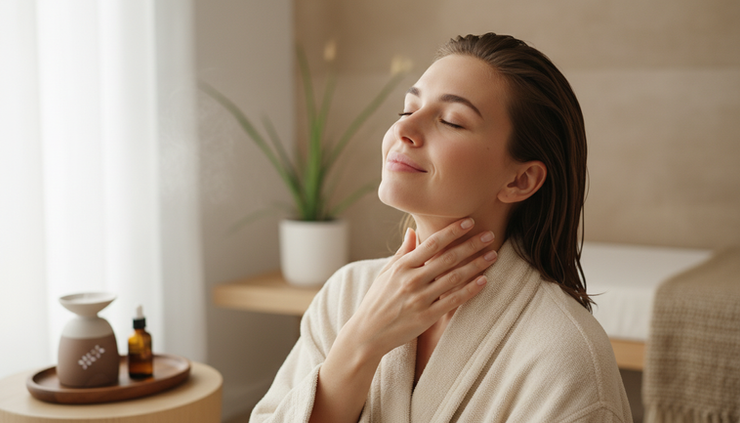
How to prepare for a safe at-home treatment
A good massage starts before the first touch. Cleanliness matters, especially for buccal massage, because part of the work can happen inside the mouth.
Before you begin:
Wash your hands well
Use soap and warm water. Scrub under the nails. If you plan to massage inside the cheeks, consider using disposable gloves.
Cleanse your face
Remove makeup, sunscreen, and the day’s buildup. Massage over clean skin to reduce irritation.
Brush your teeth or rinse your mouth
Inner cheek massage should only be done with a clean mouth.
Apply slip to the skin
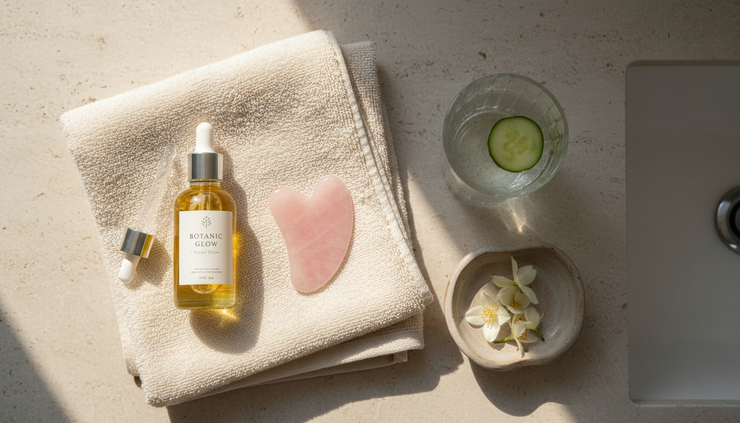
Use a facial oil, balm, or moisturizer that your skin already tolerates. Avoid trying a new active product right before massage.
Check your skin
Skip massage over broken skin, cold sores, painful cystic acne, sunburn, bruising, eczema flares, or irritated areas.
Set a timer
Start with 5 to 10 minutes. Longer is not always better, especially if your skin is sensitive.
If the face becomes hot, itchy, painful, or visibly irritated, stop. Redness from increased circulation can happen, but it should calm down quickly.
A simple lymphatic drainage routine for the face
This routine works well in the morning when the face feels puffy, or at night when you want to relax. Keep your touch light and your pace slow.
Start with deep breathing
Sit or stand comfortably. Place one hand on your lower ribs and one hand on your belly. Take five slow breaths.
Inhale through the nose. Let the ribs expand. Exhale slowly through the mouth. This gentle breathing helps relax the neck, shoulders, and jaw, which can support the feeling of release during massage.
Open the collarbone area
Place your fingertips just above the collarbones. Make small, soft circles or gentle pumps down and inward.
Repeat 5 to 10 times.
Do not press into the throat. Stay wide, near the collarbone.
Move down the sides of the neck
Place your hands under the ears. Glide down the sides of the neck toward the collarbones. Repeat 5 to 10 times.
Use feather-light pressure. The movement should feel soothing, not like deep tissue massage.
Drain the jawline
Place your fingertips at the centre of the chin. Glide along the jaw toward the ears, then down the sides of the neck.
Repeat 5 to 10 times.
If the jaw feels tight, slow down. Do not dig into the area under the jaw.
Sweep the cheeks outward
Place your fingertips beside the nose. Sweep gently across the cheeks toward the ears, then down the neck.
Repeat 5 to 10 times.
This can feel especially nice after sinus pressure, allergies, or a long day, though massage should not be used to treat any medical condition without advice.
Be extra gentle under the eyes
Use your ring fingers. Start near the inner corners under the eyes and glide outward toward the temples. Then sweep down the sides of the face and neck.
Repeat 3 to 5 times.
The under-eye area is delicate. Use almost no pressure.
An at-home buccal massage routine
Buccal massage can feel intense if you rush. Start with the outside of the face first. Only add inner cheek work if it feels comfortable and you can keep everything clean.
Warm the cheeks from the outside
Apply facial oil or moisturizer. Place your knuckles or fingertips on the cheeks and make slow circles.
Work from the corners of the mouth toward the cheekbones, then toward the ears. Continue for 1 to 2 minutes.
This warms the tissue and helps you notice tight spots before working deeper.
Release the jaw gently
Place two fingers on the jaw muscles, just in front of the ears. Open and close your mouth slowly while making small circles.
Repeat for 30 to 60 seconds.
If you clench your jaw at night, this area may feel tender. Keep the pressure mild.
Massage inside the cheek with care
Wash your hands again or use gloves. Place your thumb inside one cheek and your index or middle finger on the outside of the cheek. Hold the cheek tissue gently between the fingers.
Make small, slow circles from the corner of the mouth toward the cheekbone. Avoid pulling the skin or stretching the mouth wide.
Work for 30 to 60 seconds per side.
Stop if you feel sharp pain, numbness, gum irritation, or discomfort near dental work. Avoid this technique if you have mouth sores, recent dental procedures, active cold sores, or oral infections.
Finish by draining downward
After buccal work, return to light lymphatic drainage. Sweep from the cheeks to the ears, then down the sides of the neck to the collarbones.
This helps the routine feel complete and calming.

Face yoga moves that pair well with massage
Face yoga uses controlled facial movements to improve awareness, encourage relaxation, and gently engage muscles. It should not involve aggressive stretching or exaggerated pulling.
Try these after massage or on their own.
Soft cheek lift
Smile gently without clenching the teeth. Place your fingertips lightly on the tops of the cheeks. Lift the cheeks slightly while keeping the eyes relaxed.
Hold for 5 seconds. Release.
Repeat 5 times.
This should feel controlled, not strained.
Jaw unclench reset
Place the tip of your tongue on the roof of your mouth, just behind the front teeth. Let the lips close softly and allow the teeth to separate.
Breathe slowly for 30 seconds.
This simple move can remind the jaw to rest during the day.
Neck lengthener
Sit tall. Drop your shoulders. Turn your head slightly to one side and tilt your chin up just a little. Keep the movement small.
Hold for 10 seconds. Switch sides.
This can help release the front and side of the neck, which often affect how the face feels.
Eye softener
Close your eyes. Place your ring fingers above the brows and let them rest there without pressing. Take five slow breaths.
This is less of an exercise and more of a reset. It works well when the forehead feels tense.
When to do facial massage and how often
For most people, 2 to 4 times per week is plenty. A short daily lymphatic routine may be fine if the pressure is very light and the skin tolerates it well. Buccal massage is usually better in moderation, about 1 to 2 times per week at home.
Morning massage can help with temporary puffiness. Evening massage can help relax the jaw and support a wind-down routine.
Keep sessions short:
Treatment | Good starting time | Best pressure |
Lymphatic drainage | 5 to 10 minutes | Very light |
External buccal massage | 3 to 5 minutes | Light to moderate |
Inner cheek massage | 1 to 2 minutes | Gentle and controlled |
Face yoga | 3 to 5 minutes | Comfortable engagement |
If your skin barrier feels compromised, skip massage until it calms. Signs include burning, stinging, flaking, unusual redness, or tightness after basic skincare.
Skincare products that work well with massage
Choose products that give enough slip so your fingers glide without tugging. A simple oil, balm, or cream is usually best.
Good options include:
A fragrance-free facial oil
A gentle cleansing balm
A rich moisturizer
A non-active serum that your skin already likes
Be careful with strong active ingredients right before massage. Retinoids, exfoliating acids, benzoyl peroxide, and high-strength vitamin C can irritate some skin when combined with rubbing.
After massage, keep the routine simple. Cleanse if needed, then apply moisturizer. In the morning, finish with sunscreen.
Common mistakes to avoid
Facial massage is simple, but small mistakes can make it less helpful.
Avoid these habits:
Pressing hard to “force” drainage
Massaging over inflamed acne or broken skin
Pulling the mouth wide during buccal work
Using dirty hands or long nails inside the mouth
Skipping the neck and collarbone area
Rushing through the routine
Doing too much when the skin feels sensitive
The best results often come from consistency, not intensity. A gentle five-minute routine done regularly is better than one aggressive session that leaves the face sore.
When to skip massage or get advice
Do not massage the face or neck if you have swelling that appears suddenly, one-sided facial drooping, unexplained pain, fever, or signs of infection. Get medical care right away for symptoms that feel unusual or serious.
Check with a healthcare provider before facial lymphatic massage if you have a history of blood clots, cancer treatment involving lymph nodes, heart failure, kidney disease, or a diagnosed lymphatic condition.
For dental concerns, jaw disorders, or ongoing pain, speak with a dentist, physician, or qualified therapist. Massage may feel soothing, but it should not replace proper diagnosis or care.
A calming routine to try tonight
Here is a simple 12-minute routine that combines lymphatic drainage, buccal massage, and face yoga.
Wash hands, cleanse skin, and apply facial oil.
Take five slow breaths.
Pump lightly above the collarbones.
Sweep down the sides of the neck.
Glide from chin to ears, then down the neck.
Sweep from nose to ears, then down the neck.
Massage the cheeks from the outside for 1 minute.
Gently release the jaw for 1 minute.
If comfortable, massage inside each cheek for 30 seconds.
10. Finish with light cheek and neck drainage.
11. Do the jaw unclench reset.
12. Apply moisturizer and rest.
Your face should feel comfortable, relaxed, and lightly refreshed afterward. If it feels sore or irritated, use less pressure next time or shorten the routine.
Radiant skin is not only about products. It is also about circulation, rest, hydration, stress, and how much tension the face carries through the day. A gentle at-home massage practice can help you slow down, notice those patterns, and care for your skin without overdoing it.


Comments